How to plan a group trip where nobody forgets the gas bottle
By Allan Edgar ·
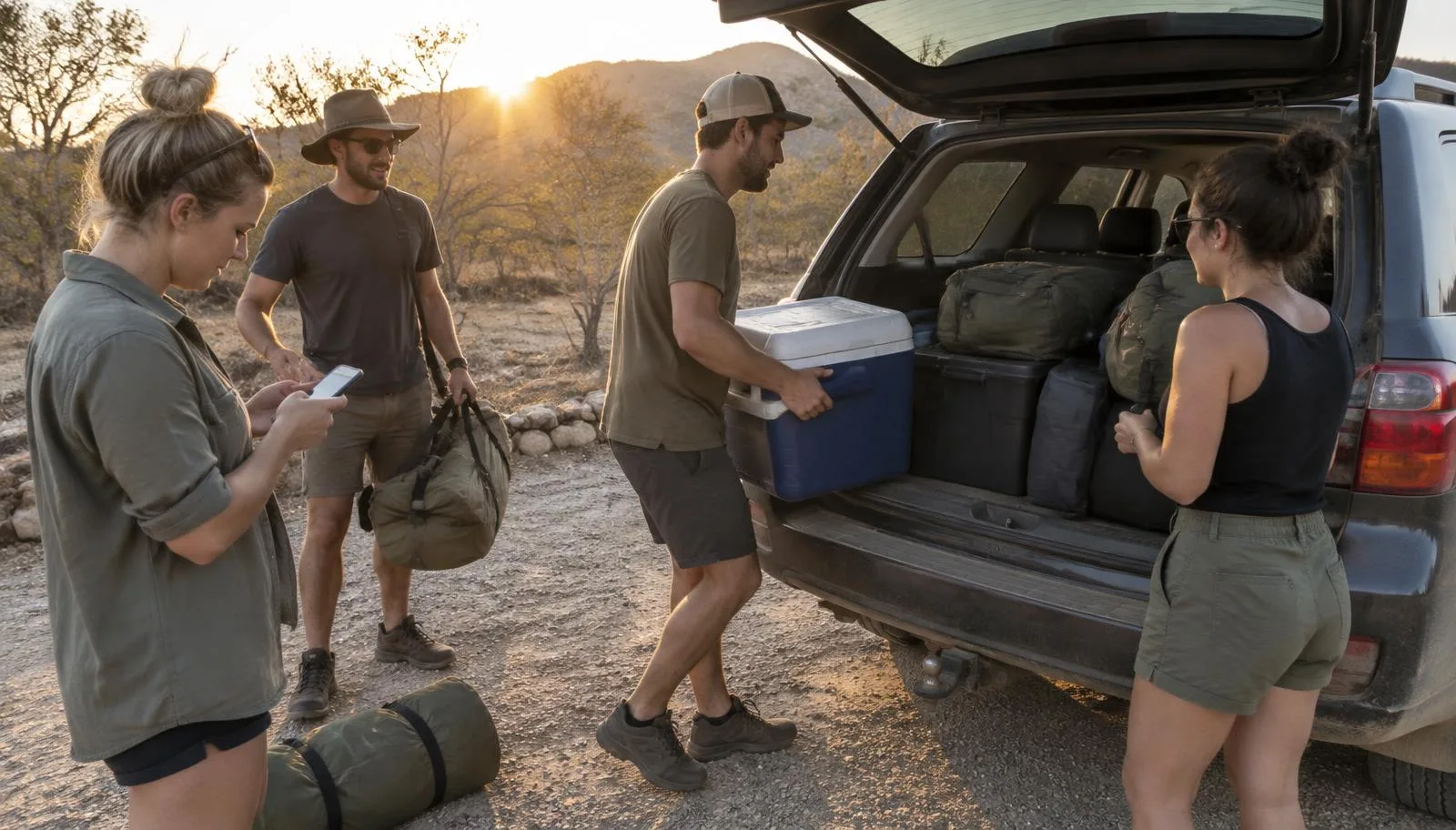
Three people bring tongs, nobody brings fuel, and one person quietly pays for everything. Here is a simple way to split the packing, the jobs and the money before you leave.
Every group trip has the same moment. You arrive, unpack the cars, and someone says it out loud: nobody brought the gas bottle. There are three pairs of tongs, four bags of ice and no way to cook any of it.
It is never one person''s fault. It is a planning problem, and it happens because a WhatsApp group is a terrible place to keep a list. Messages scroll. Voice notes go unheard. The one useful message — the one with who is bringing what — is forty replies up, somewhere between a meme and a fight about the playlist.
Why group chats fail at planning
A chat is built for conversation, not for state. It tells you what people said, never what is still outstanding. By day three of planning, nobody can tell you the current answer to a simple question: what is still missing?
So people do the safe thing and double up. You end up with three coolers, two tents and no firelighters, and one person on the group covers the shortfall with their own card and hopes someone remembers to pay them back.
Split the trip into four lists, not one
The trips that run smoothly tend to separate four different things that a group chat mashes together.
1. Group gear
The items the whole group needs exactly one of: the tent, the cooler, the gas bottle, the jumper cables, the speaker. Each one gets a name next to it before anyone leaves home. Not "someone grab a cooler" — a name.
2. Personal packing
Everyone''s own list, and everyone''s own problem. Keep it separate from group gear so the important stuff does not get buried under twelve people''s toiletries.
3. Jobs, with a deadline
Booking the site, collecting the key, buying the meat, doing the bottle-store run. Jobs are not packing, and they have their own timing — most of them happen before the trip, not on the day.
4. Money, logged as it happens
The fastest way to sour a good weekend is to work out the money afterwards from memory and a shoebox of receipts. Log each expense when it is paid, with who paid it, and settle once at the end.
The pre-trip check that takes five minutes
Two days before you go, run through the group list and look only at the items with no name next to them. That is your whole risk. In practice it is usually two or three things, and two days is enough time to fix them. On the morning of departure, it is not.
A few habits that help
- One person owns the list, not the trip. They keep it current; they do not carry everything.
- Claim, do not volunteer. Items should be taken off a list, not offered into a conversation.
- Write down the boring items. Fuel, matches, a bottle opener, the charging cable for the fridge. Those are the ones that get forgotten, because everyone assumes they are covered.
- Settle up before you drive home. Money conversations are much easier around a fire than over text on a Tuesday.
None of this requires an app. A shared note and some discipline will do it. The point is simply that a list beats a conversation, and a name next to an item beats good intentions.
It is also, more or less, why we built Bringr: group packing, personal packing, trip tasks and shared expenses in one place, so the answer to "what is still missing?" is always one screen away — and the gas bottle makes it into the car.
Related reading
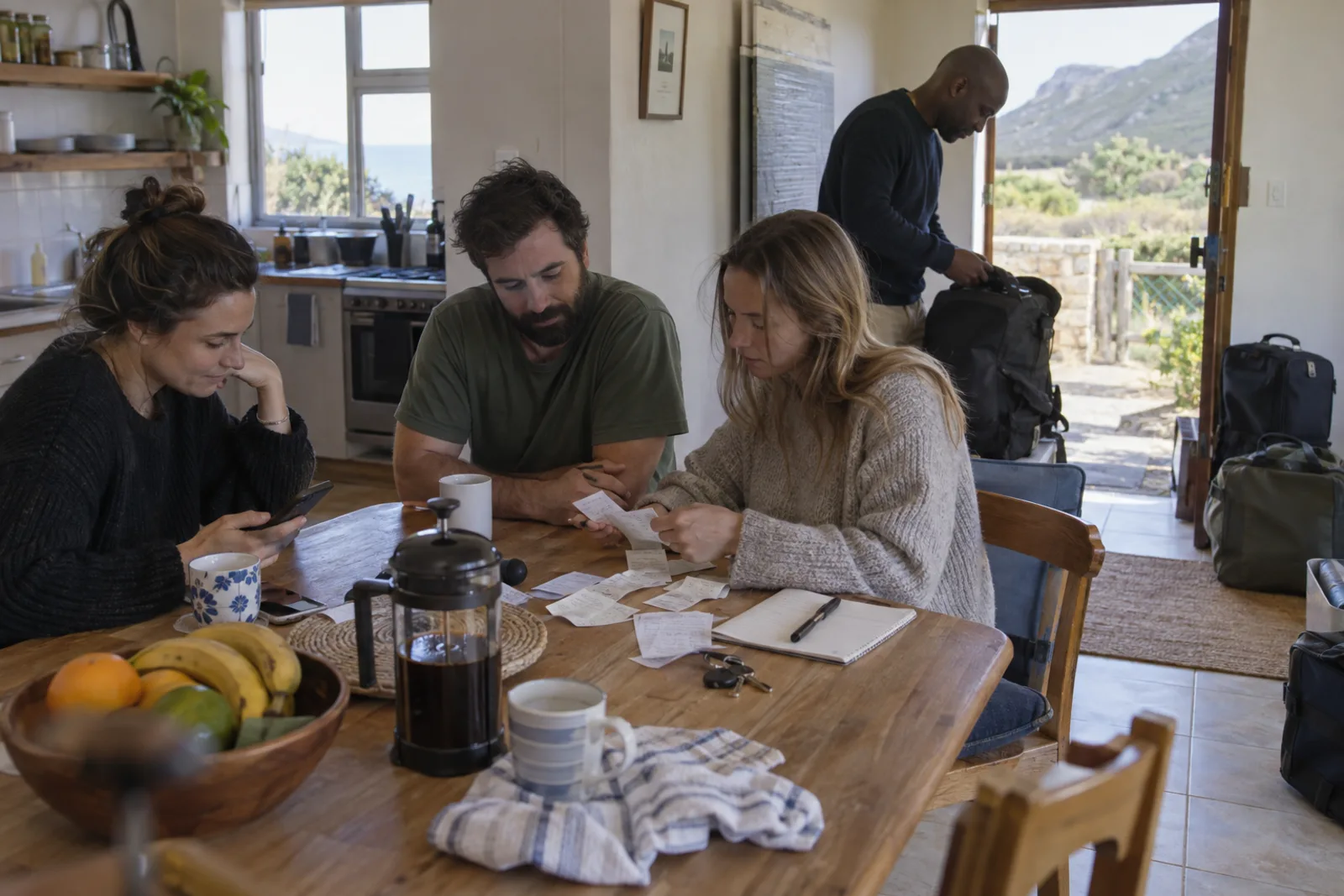
How to split group trip costs without falling out
Agree the rules before booking, track spending as it happens and settle before heading home. A practical guide to deposits, shared meals, fuel and awkward shortfalls.
By Allan Edgar ·